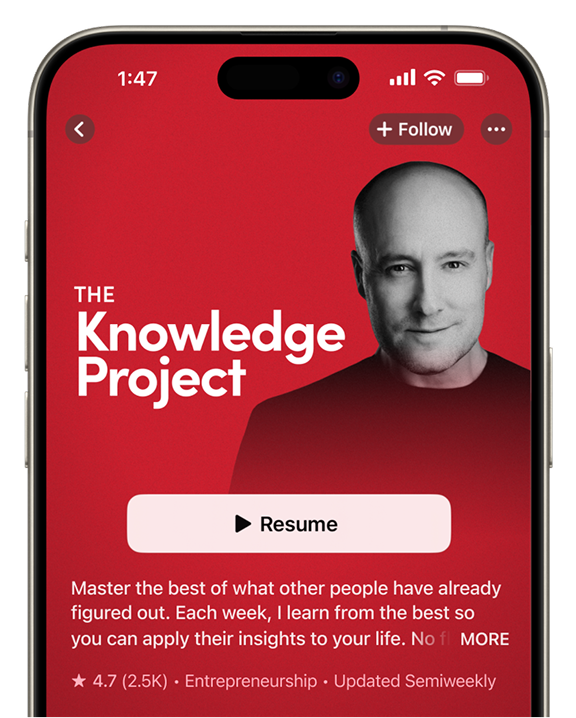
Charlie Munger once asked me: ‘How can someone give away fifty percent of profits and make billions more than if he’d kept it all?’ Before I could answer, he told me about Les Schwab, a tire shop owner who understood incentives better than almost anyone.
What Schwab discovered will change how you think about business.
Available Now: Apple Podcasts | Spotify | Transcript
13 Lessons from Les Schwab:
1. Get the Incentives Right: Les gave store managers 50% of profits but made them keep every penny invested until their stake equaled his. “If I share half but the store is more successful, my half is worth more than my whole used to be.” By locking in their wealth, he ensured they’d think long-term. They couldn’t cash out until they’d created real value. No manager ever quit. Every store exploded. The magic wasn’t just win-win profit sharing, it was ownership. When people can only get rich slowly, they tend to build things that last.
2. Bet on Yourself: At 34, Les sold his house, borrowed against his life insurance, and scraped together $11,000 to buy a failing tire shop with no running water. He’d never changed a tire. His competitors had decades of experience. But Les had something they didn’t: no backup plan. When failure means ruin, you find ways to win that comfortable people never discover. One year later, he’d quintupled revenue. Half-measures guarantee half-results.
3. High Agency: Everything is your job. Les bought his first tire shop, having never fixed a flat. Day one: A customer needs tires mounted. Les fumbles with hand tools on cold concrete, making a complete mess until his employee arrives and saves him. Instead of hiding behind “that’s not my job,” Les insisted on being taught immediately. You don’t need permission. Just start and improve quickly.
4. Go Positive, Go First: Les gave free flat repairs to anyone, customer or not. Competitors called him crazy. Why fix flats for people who bought tires elsewhere? But Les understood reciprocity: humans are biologically wired to return favors. Those free repairs converted more customers than any ad campaign ever could. Most businesses demand payment before delivering a service. Les reversed it. Give first, without keeping score, and the universe will do most of the work for you.
5. Dark Hours: Every morning before dawn, teenage Les ran his paper route. Not biked. Ran. For two months, he sprinted through dark streets on foot, saving for a bicycle. While classmates slept, he delivered. By senior year, he owned all nine routes in town and out-earned his high school principal. The hours nobody wants compound into the life everybody wants.
6. The Work Is the Way: Les wrote: “Life is hard… for the man who thinks he can take a shortcut.” He ran paper routes on foot before he could afford a bike. He learned every job in his stores from the ground up. He paid cash for every expansion rather than borrowing for speed. The work is the shortcut.
7. Invert the Hierarchy : Les paid store managers more than executives, including himself. “Too many corporations think all the brains are in the main office. The truth is that success is at the other end.” He told people: if headquarters executives ever out-earned the best store managers, the company would die. Most businesses worship the office and exploit the front line. Les worshipped the front line and made the office serve them.
8. Stay Paranoid: Les warned his managers: “If we become complacent, brother it’s all over with.” He saw it starting to creep in. Success sows the seeds of its own destruction. It takes a lot of vigilance and effort to stamp out complacency.
9. You Can’t Make a Good Deal with a Bad Person: Les learned this early: “A handshake deal with Pleas Brown is better than a long contract with most any man.” No contract can create trust. The wrong person will find loopholes in any agreement. The right person doesn’t need one.
10. Ride the Wave: Charlie Munger spotted Les’s secret: “The Japanese had a zero position in tires, and they got big. So this guy must have ridden that wave.” While competitors stayed loyal to American suppliers who screwed them on price, Les partnered with hungry Japanese manufacturers who needed distribution. When you get the trend right, you can make a lot of mistakes.
11. Lead, Don’t Follow: Les told his wife, “There was a better way to do business, and I had to explore my own ideas, even though it was going to make my life more complicated.” He could have stayed a franchise owner, followed their rules, and collected safe profits. But something in him wanted to lead, not follow, to play by his rules, not theirs.
12. Your Name Is Your Business: In the 1960s, Les ripped down every Goodyear and Firestone sign from his stores. Insane move. Those signs meant manufacturer support and co-op advertising dollars. But Les bet customers bought from people, not brands. Within a decade, “Les Schwab” meant more than any tire brand in the Northwest. He turned his name into a promise.
13. Think in Decades: Investment bankers waved billion-dollar offers at Les. He refused them all. “What would I do with the money?” The real reason: buyers would “fix” his upside-down pay structure where store managers out-earned executives because they didn’t understand why it worked. Some things are worth more than money.